
A cold water fish tank lets you keep hardy aquarium fish without relying on constant heating. With the right tank size, filtration, plants, and water care routine, a cold water fish tank can be simple, affordable, and beginner-friendly.
You can keep a beautiful, low-maintenance aquarium without a heater by choosing the right cold water fish and giving them a stable tank. Pick hardy species, set up a roomy tank, and monitor water chemistry and temperature to keep fish healthy without constant heating.
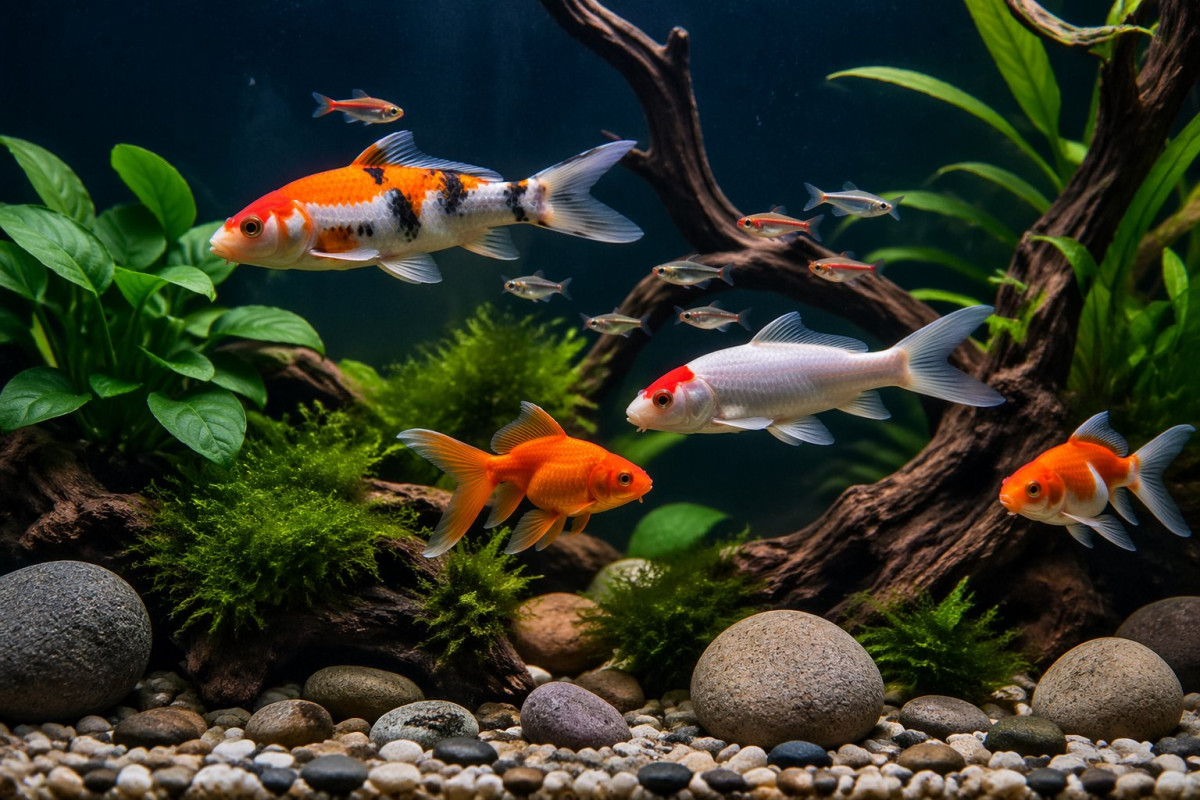
You’ll learn which fish do well in cool homes, how tank size and filtration matter more than you might expect, and simple steps to avoid common mistakes. This cold water fish tank guide gives clear, practical tips so you can start or improve a cold water setup with confidence.
If you are still choosing your tank size, see our standard aquarium dimensions chart before buying filters, plants, or equipment.
Key Takeaways
- Choose hardy, cold-tolerant fish and match them to tank size.
- Focus on water stability, filtration, and regular testing for a healthy environment.
- Use simple maintenance routines to prevent common cold-water problems.
Building a Healthy Environment
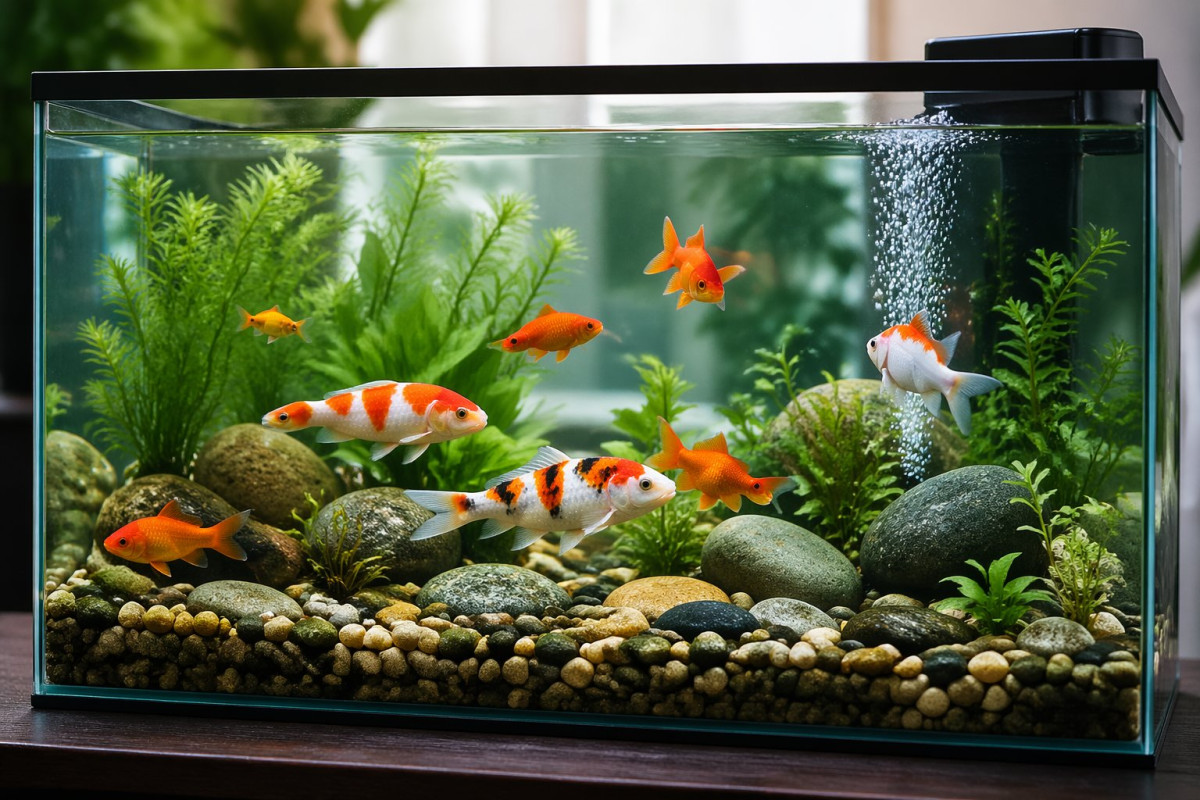
The best cold water fish tank setup starts with stable water conditions, not complicated equipment.
You need stable temperatures, clean water, the right tank size and filter, compatible fish, and plants or decor that suit cooler water. Each choice affects oxygen, waste control, and fish stress.
Ideal Water Temperature and Quality
Keep water between 50°F and 72°F for most cold-water species. Aim for a steady temperature; avoid swings of more than 2–3°F in 24 hours. If your home drops below this, add a low-wattage aquarium heater with a reliable thermostat.
Test water weekly for ammonia, nitrite, nitrate, and pH. Ammonia and nitrite must read zero. Keep nitrates under 40 ppm; under 20 ppm is better. Use a freshwater test kit and log results so you spot trends early.
Oxygenation matters more in cold water because cooler water holds more oxygen but higher stocking or poor flow lowers available oxygen. Use an air stone or return flow that agitates the surface. Partial water changes of 20–30% every 1–2 weeks help control nitrates and replenish trace elements.
Aquarium Size and Filtration
Choose a tank based on adult fish size and activity. A 20–30 gallon tank works well for small communities like White Cloud Mountain minnows and a few snails. Larger, active fish need 40+ gallons to reduce stress and waste buildup.
Use a filter rated for at least 4x the tank volume per hour. For example, a 30-gallon tank should have a filter rated ~120 GPH (gallons per hour). Canister or hang-on-back filters give good mechanical and biological filtration for cold-water setups.
Include mechanical, biological, and optional chemical media. Mechanical removes solids, biological media houses beneficial bacteria, and activated carbon can remove odors or medication residues. Clean filter pads monthly and rinse biological media in tank water to preserve colonies.
Compatible Cold Water Species
Pick hardy species that tolerate 50–72°F and similar water chemistry. Good choices: White Cloud Mountain minnows, Zebra danios, Hillstream loaches, Rosy red minnows, and cherry shrimp. Research adult sizes and temperament before mixing species.
Stock lightly to lower waste and aggression. Use a rule of one inch of fish per gallon only as a rough starting point; base stocking on adult size and behavior instead. Avoid combining very active species with slow-moving, shy fish.
Quarantine new fish for 2–4 weeks in a separate tank to prevent disease transfer. Watch for lethargy, gasping, clamped fins, or white spots. Treat any issues before adding to your main display.
Best Plants and Decor Options
Choose plants that grow well in cooler water and low-to-moderate light. Good plants: Java moss, Java fern, Anubias, and Vallisneria. These tolerate 50–72°F and help reduce nitrates and provide hiding places.
Use smooth rocks, driftwood, and caves for hiding and territorial boundaries. Avoid sharp decor that can injure fish with delicate fins. Arrange decor to create open swimming space and sheltered areas.
Substrate choice affects plant growth. Use a fine gravel or planted substrate if you want rooted plants like Vallisneria. Add leaf litter or alder cones for species that benefit from tannins; monitor pH if you add lots of tannin-producing wood.
Frequently Asked Questions
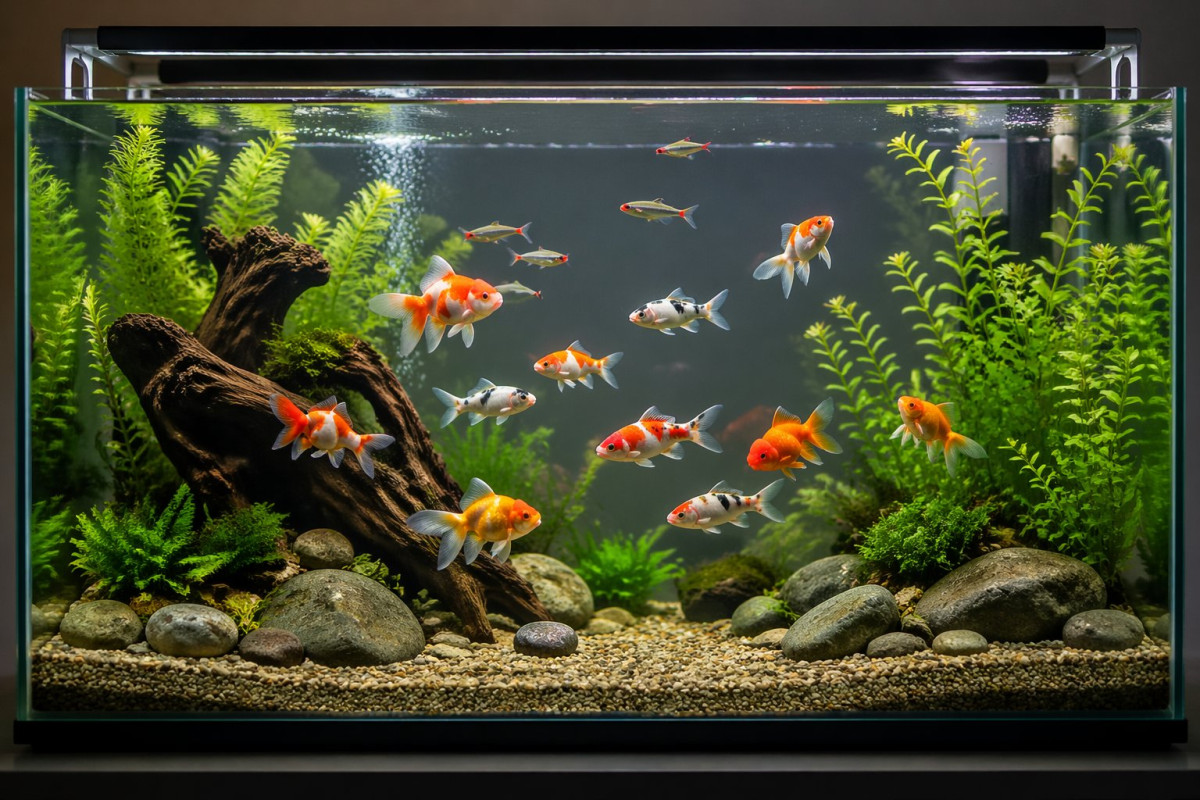
Before adding fish, cycle your cold water fish tank so beneficial bacteria can process waste safely.
A cold water fish tank still needs good filtration, regular testing, and careful stocking.
This section gives step-by-step setup tips, specific fish names that do well in 60–72°F (15–22°C), exact tank size guidance, filter choices and flow recommendations, target water parameters, and clear signs that water is too cold for fish.
How do you set up a beginner-friendly aquarium without a heater?
Choose a room-temperature location away from direct sunlight and drafts. Measure the room temperature for a few days so you know the typical range.
Start with a clean cold water fish tank, substrate, and a secure lid. Add a sponge or hang-on-back filter and a gentle air stone to boost oxygen and circulation.
Use a planted layout with hardy plants like Java fern and Anubias; plants help stabilize water chemistry. Cycle the tank fully before adding fish by running filter and monitoring ammonia, nitrite, and nitrate until ammonia and nitrite read zero.
Introduce fish slowly, adding only a few at a time over several weeks. Test water twice weekly at first, then weekly once stable.
Which fish species are easiest to care for in cooler-temperature aquariums?
White Cloud Mountain Minnows handle 60–72°F (15–22°C) and are hardy schooling fish. They stay small and tolerate slight temperature swings.
Zebra danios cope well with room temperatures and are active swimmers that resist many common illnesses. Hillstream loaches prefer cooler, well-oxygenated water and need smooth rocks and strong flow.
Rosy barb and Weather loach can tolerate cooler water if the tank is large enough. Avoid tropical species that need steady heat.
What size tank is recommended for keeping small cool-water fish comfortably?
Use at least 20 gallons (75 liters) for a small school of White Clouds or Danios. Bigger tanks make it easier to keep water stable and dilute waste.
For messy fish like goldfish, choose 40 gallons (150 liters) or more for one fish, plus 20–30 gallons (75–115 liters) per additional goldfish. Shallow bowls and very small tanks are not suitable long term.
Do you need a filter, and how do you choose the right one for this type of setup?
Yes. A filter removes waste, keeps water clear, and supports beneficial bacteria that break down ammonia and nitrite.
Pick a filter rated for at least the tank volume, or 4–5× turnover per hour for gentle species. Use sponge filters for low flow and fry tanks. Canister or hang-on-back filters suit planted or larger tanks; add prefilter sponges if flow is too strong.
Choose biological media with lots of surface area and add mechanical media you can rinse. Clean filter media in tank water to avoid killing beneficial bacteria.
What are the ideal water temperature and parameters for common cool-water fish?
Aim for 60–72°F (15–22°C) for most cool-water community species. Keep pH around 6.5–7.5 unless a species needs otherwise.
Keep ammonia and nitrite at 0 ppm and nitrates under 40 ppm, with weekly testing. Maintain moderate hardness: many cool-water fish do well in 4–12 dGH.
Oxygenation matters more than exact degree within the range. Use good surface agitation or an air pump for steady oxygen levels.
Is it harmful to keep aquarium fish in water that is too cold, and what are the warning signs?
Yes. Water that is too cold slows fish metabolism, weakens immune systems, and can stop digestion. Sudden drops are more dangerous than steady cool temperatures.
Watch for slow movement, lack of appetite, gasping at the surface, clamped fins, and increased disease. If you see these signs, check temperature, water quality, and gradually raise temperature by a few degrees if needed.
We hope you enjoyed this read for cold water fish tanks.