
Walking into a pet store or scrolling through online retailers, the sheer variety of fish tanks can feel overwhelming. The top search results are packed with product pages, brand promotions, and glossy aquascaping videos, but they rarely answer the practical questions that determine whether you will love this hobby or abandon it in frustration. The Aquarium Exchange exists to fill that gap. This guide strips away the marketing noise and gives you a straightforward, experience-based roadmap for choosing, setting up, and maintaining fish tanks in 2026. Whether you are buying your first tank or your fifth, the goal is a smarter choice and a healthier aquarium.
Table of Contents
Why the Right Fish Tank Matters More Than You Think
The tank is not just a glass box. It is the foundation of an entire aquatic ecosystem, and the decisions you make before adding a single drop of water will shape everything that follows. A poorly chosen tank creates cascading problems with filtration, lighting, and fish compatibility that no amount of expensive equipment can fully fix.

The single biggest reason beginners quit the hobby is starting with a tank that is too small. Tanks under 10 gallons are notoriously difficult to maintain because their limited water volume allows ammonia, nitrites, and temperature to swing rapidly and dangerously. A mistake that would be a minor inconvenience in a 40-gallon setup can kill fish overnight in a 5-gallon desktop bowl. This is the core anxiety behind the question many new hobbyists ask: are fish tanks difficult to maintain? The honest answer is that difficulty depends almost entirely on the tank you choose and the preparation you do before stocking it. Get the foundation right, and the rest becomes a routine, not a crisis.
Fish Tank Types: Glass vs. Acrylic, Rimmed vs. Rimless
The material and construction of your tank affect everything from viewing clarity to weight, durability, and long-term maintenance. Understanding the trade-offs before you buy prevents expensive regrets.
Glass Tanks: The Industry Standard
Glass remains the most common material for fish tanks, and for good reason. It is scratch-resistant, widely available at every major retailer from Petco to PetSmart, and significantly cheaper than acrylic for standard sizes. Rimmed glass tanks include a plastic frame that provides structural support and makes it easy to fit standard hoods and lights. These are the practical choice for beginners who want a straightforward setup without surprises.
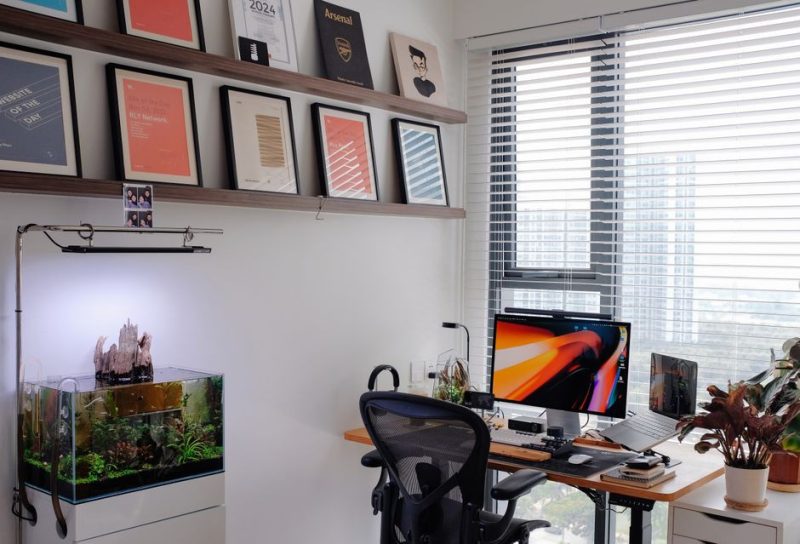
Rimless glass tanks, popularized by brands like Glass Aqua and Ultum Nature Systems, remove the plastic frame for a clean, modern look that showcases aquascapes without visual obstruction. The trade-off is that rimless construction requires thicker glass and absolutely level stands, and any imperfection in placement creates stress points that can lead to catastrophic failure. For planted tank enthusiasts and those treating their aquarium as living art, the aesthetic payoff is worth the extra care.
Acrylic Tanks: Custom and Lightweight
Acrylic tanks offer advantages that glass cannot match. They are lighter, more impact-resistant, and can be fabricated into custom shapes that would be impossible with glass. Fish Tanks Direct specializes in this category, offering everything from curved-corner displays to massive custom installations. Acrylic also provides better insulation, which means more stable water temperatures and lower heating costs over time.
The downside is scratch sensitivity. A single grain of sand caught in an algae scraper can leave permanent marks on an acrylic surface, and cleaning requires non-abrasive tools and a careful touch. Acrylic also costs more upfront, though for large or unusually shaped tanks, the weight savings alone can justify the premium.
All-in-One Kits vs. Custom Builds
All-in-one kits from brands like Fluval, Aquatop, and Waterbox bundle the tank with a filter, light, and sometimes a heater. For beginners, this eliminates the guesswork of matching equipment to tank size and ensures basic compatibility out of the box. The limitation is that included components are often adequate rather than exceptional, and serious hobbyists frequently replace them within the first year.
Custom builds give you total control over every component. You can pair a rimless glass tank with a high-output canister filter, programmable LED lighting, and a heater sized precisely for your room’s temperature range. This path costs more and requires more research, but it produces a system tailored to your specific goals, whether that means a densely planted aquascape, a cichlid tank with heavy filtration, or a reef setup with precise flow requirements.
How to Choose the Right Tank Size for Your Space and Goals
Search data confirms what retailers already know: buyers fixate on specific gallon sizes. The most common searches target 10, 20, 30, 75, and 100-gallon tanks. Each size serves a different purpose, and matching the tank to your lifestyle prevents the hobby from becoming a burden.
Tanks in the 10 to 20-gallon range fit on desks, countertops, and bedroom dressers. They work for a single betta, a small group of nano fish, or a shrimp colony. The catch is that small water volumes demand consistent attention. A missed water change or a few days of overfeeding can crash the nitrogen cycle in a tank this size.
The 20 to 55-gallon range is the sweet spot for beginners. Water chemistry remains stable with reasonable maintenance, and the stocking options expand dramatically. You can keep a genuine community of compatible species rather than a single specimen. Most experienced aquarists recommend this range as the ideal starting point, and the brief answer to the “are fish tanks difficult to maintain” question explicitly agrees.
Tanks at 75 gallons and above become serious commitments. A filled 75-gallon tank weighs over 600 pounds, and a 100-gallon setup can exceed 800 pounds. These tanks require dedicated stands, reinforced flooring in some homes, and filtration systems that move hundreds of gallons per hour. They reward the effort with stunning display potential and the ability to keep larger, more impressive fish, but they are not impulse purchases.
Before ordering any tank, measure your available space in three dimensions and check the floor’s weight capacity. Apartment dwellers on upper floors should consult their lease and consider the structural limits of wood-frame construction. A simple decision matrix helps: small tanks for limited space and simple stocking, mid-size tanks for family-friendly community setups, and large tanks for dedicated hobbyists with permanent homes.
The True Cost of Owning a Fish Tank
Retail listings show tank prices, but they rarely reveal the total investment required to run a healthy aquarium. The tank itself is often the cheapest component. Budgeting realistically prevents the common scenario of buying a tank and then realizing you cannot afford to stock or maintain it properly.
An entry-level 20-gallon kit runs between $80 and $150, including a basic filter, LED light, and heater. This gets you started, but expect to spend another $30 to $50 on substrate, water conditioner, a test kit, and fish food before the tank is ready for inhabitants. A mid-range 55-gallon setup with a quality stand, a canister filter, and a plant-capable light typically lands between $400 and $800. At the high end, a custom 100-gallon acrylic tank with premium equipment can reach $1,500 to $3,500 or more, a range confirmed by the pricing on Fish Tanks Direct for brands like Red Sea and Eshopps.
Ongoing costs are modest but real. Monthly expenses for fish food, water conditioner, and replacement filter media average $25 to $50. Electricity for heaters, lights, and pumps adds another $5 to $20 depending on local rates and tank size. Annual supply refreshes for test kits, algae scrapers, and gravel vacuums run $50 to $100. A practical rule of thumb: budget two to three times the tank’s sticker price for the complete first-year setup.
5 Common Beginner Mistakes
Most failed aquariums share the same root causes. Avoiding these five mistakes dramatically increases your odds of long-term success.
Mistake number one is starting with a tank under 10 gallons. The smaller the water volume, the faster toxins concentrate and the more wildly parameters swing. Beginners need the buffer that 20 or more gallons provide.
Mistake number two is adding fish before the tank has cycled. A new tank lacks the beneficial bacteria that convert toxic ammonia into less harmful nitrates. Without cycling, ammonia spikes within days and kills fish. The nitrogen cycle takes four to six weeks to establish, and the only safe way to speed it up is with live bacteria supplements and patience.
Mistake number three is overstocking. The old “one inch of fish per gallon” rule is a rough starting point, but it ignores adult sizes, activity levels, and territorial needs. A 10-gallon tank cannot house a fish that grows to six inches, no matter how small it looks at the pet store.
Mistake number four is skipping water changes. Weekly changes of 20 to 30 percent are non-negotiable for most freshwater setups. They remove accumulated nitrates, replenish minerals, and keep the water clear. Neglecting this task leads to algae outbreaks, stressed fish, and eventual system collapse.
Mistake number five is choosing fish by appearance instead of compatibility. Aggressive species like certain cichlids and tiger barbs will harass or kill peaceful tankmates. Always research temperament, adult size, and social needs before combining species.
Fish Tank Maintenance: How Hard Is It Really?
The question appears in search results because it reflects genuine uncertainty. The answer is that maintenance is manageable when the tank is appropriately sized and properly set up, and punishing when it is not.
Daily tasks take about five minutes. Feed the fish sparingly, glance at the thermometer, and observe behavior. Fish that hide constantly, gasp at the surface, or show clamped fins are signaling a problem.
Weekly maintenance requires 30 to 45 minutes. A 20 to 30 percent water change using a gravel vacuum removes debris from the substrate while exporting nitrates. Test the water for pH, ammonia, nitrites, and nitrates. Clean algae from the glass with an appropriate scraper, and rinse filter media in the bucket of removed tank water, never under tap water, which kills beneficial bacteria with chlorine.
Monthly deep cleaning adds another hour. Inspect equipment for wear, trim dead or overgrown plant leaves, and clean hardscape decorations that accumulate algae. Check the heater for proper function and the filter impeller for debris.
Small tanks are harder because they leave no margin for error. In a 5-gallon tank, a single missed feeding can spike ammonia. In a 40-gallon tank, the same event barely registers. For busy owners in 2026, automation helps. Auto-feeders dispense consistent portions, programmable lights maintain photoperiods, and powerful canister filters extend the interval between cleanings. These tools reduce the hands-on burden without eliminating the need for regular water changes.
Fish Selection Guide: Which Species for Which Tank Size
Stocking a tank is not just about picking pretty fish. Each species has minimum space requirements, social needs, and compatibility constraints that determine whether a community thrives or tears itself apart.
In 10 to 20-gallon tanks, options are limited but rewarding. A single betta with a few snails or cherry shrimp makes a vibrant display. Small schools of neon tetras or guppies work if the tank is not overstocked. Pygmy corydoras handle the bottom, but limit the tank to one or two species total.
Tanks between 20 and 40 gallons open up true community possibilities. Harlequin rasboras, platies, mollies, and dwarf gouramis coexist peacefully. Otocinclus catfish and Amano shrimp handle algae. This size range allows for distinct swimming zones: top-dwellers, mid-water schoolers, and bottom feeders.
At 55 to 75 gallons, angelfish become viable, along with rainbowfish, larger tetras, and bristlenose plecos. German blue rams add color and personality. The increased water volume supports heavier stocking, but research each species’ adult size before committing.
Tanks of 100 gallons and above accommodate discus, severums, silver dollars, and clown loaches. Large cichlids require careful planning, as many are territorial and incompatible with smaller fish. Always verify adult sizes. Many species sold as juveniles, including common plecos and iridescent sharks, grow far larger than most tanks can support.
Fish Tank Styles: Aquascaping, Biotope, and Living Room Integration
Modern fishkeeping extends beyond basic rectangular tanks on metal stands. The hobby now embraces aesthetics and interior design as core elements of the experience.
Aquascaping treats the tank as a living composition. Rimless glass tanks, carefully arranged driftwood and stone, and lush planted layouts create underwater landscapes. CO2 injection and high-intensity lighting drive plant growth, and the result is closer to a curated garden than a traditional aquarium. Glass Aqua and the popular MD Fish Tanks channel exemplify this approach, emphasizing visual harmony and meticulous design.
Biotope tanks replicate specific natural habitats. An Amazon blackwater biotope uses tannin-stained water, leaf litter, and dim lighting to mimic a rainforest stream. An African rift lake biotope features rock piles and hard-water conditions for cichlids from Lake Malawi or Tanganyika. These setups appeal to hobbyists who value ecological authenticity.
Living room integration addresses a practical reality: a large tank must coexist with home decor. The MD Fish Tanks build video highlights spouse approval, furniture-grade stands, and hidden equipment as essential considerations. Ambient lighting that complements the room, rather than clashing with it, transforms the tank from an eyesore into a focal point. Bookshelf-style tanks like Aquatop’s HCA series offer narrow, elongated footprints that fit on shelves and office desks, bringing aquariums into spaces where traditional tanks would not work.
Where to Buy Fish Tanks in 2026: Retailers Compared
The right retailer depends on what you are buying and how much support you need. Petco and PetSmart dominate the budget and mid-range market, with frequent dollar-per-gallon sales that make standard glass tanks remarkably affordable. The ability to inspect a tank in person before purchasing is a significant advantage.
Fish Tanks Direct serves the high-end and custom market, offering acrylic tanks and premium brands like Red Sea and Eshopps with prices reaching $3,599 for large installations. Aquatop fills a niche with unique form factors, including bookshelf, bowfront, and cube tanks ranging from 2.11 to 12.7 gallons. Glass Aqua caters to aquascaping enthusiasts with rimless tanks and hardscape bundles. Waterbox Aquariums provides premium all-in-one systems suitable for both freshwater and reef setups. Walmart appears in related searches as a budget option, but selection is limited and quality varies; check reviews carefully before purchasing.
Frequently Asked Questions About Fish Tanks
Are fish tanks difficult to maintain? Difficulty scales with tank size and preparation. A properly cycled 20 to 55-gallon tank requires about 30 to 45 minutes of weekly maintenance. Smaller tanks demand more frequent attention due to rapid parameter swings.
What size fish tank should a beginner get? A 20 to 55-gallon tank provides the stability and stocking flexibility that make the learning curve manageable. Avoid tanks under 10 gallons for your first setup.
Glass vs. acrylic: which is better? Glass resists scratches and costs less. Acrylic is lighter, stronger, and available in custom shapes but scratches more easily.
How much does a fish tank cost? A basic 10-gallon kit starts around $50. A complete 55-gallon setup with quality equipment runs $400 to $800. Custom 100-gallon acrylic installations can exceed $3,500.
Can I put a fish tank on any table? No. Water weighs roughly 8.34 pounds per gallon. A filled 55-gallon tank exceeds 450 pounds, and most household furniture is not designed for that load. Use a purpose-built aquarium stand.
Final Checklist Before You Buy Your Fish Tank
Before you spend a dollar, run through this list. It prevents the most common and costly mistakes.
Measure your available space in three dimensions and verify the floor can support the filled weight. Choose a tank size matched to your experience level and the fish you want to keep. Decide between glass and acrylic, rimmed or rimless, based on your priorities for cost, clarity, and weight. Budget for the complete setup, not just the tank: stand, filter, light, heater, substrate, test kit, and ongoing supplies. Research fish compatibility and adult sizes before stocking. Confirm you can commit to weekly maintenance of 30 to 45 minutes. Select a retailer with a clear return policy and responsive customer support.
A well-chosen fish tank becomes a source of daily fascination and genuine relaxation. The key is treating the purchase as the beginning of a long-term relationship with a living ecosystem, not a disposable decoration. With the right preparation, the aquarium you set up in 2026 can thrive for a decade or more.