
Apistogramma Bitaeniata Photos
Apistogramma bitaeniata photos
Apistogramma Bitaeniata Photos Read More »

Apistogramma bitaeniata photos
Apistogramma Bitaeniata Photos Read More »
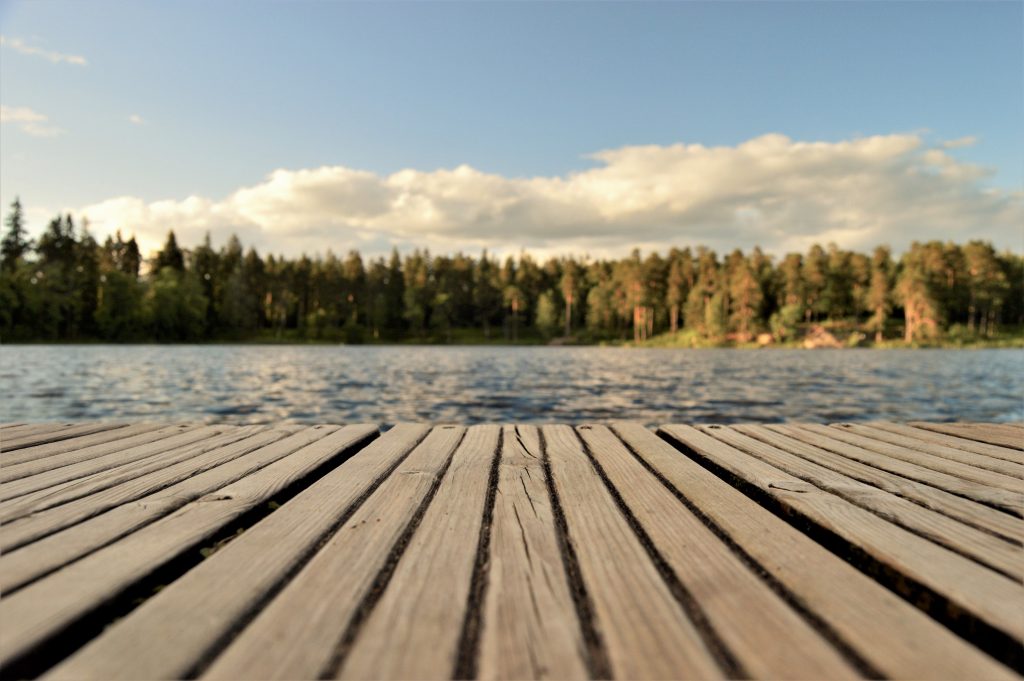
Decline Of Native Cichlids in Lake Victoria was discovered in 1858 by British explorer John Speke. It is one of the largest lakes in the world covering 26,560 sq miles. As recently as 12,500 years ago the lake was believed to be a grassy plain. This makes it the youngest of the three African rift
Decline Of Native Cichlids: The Plight Of The Lake Victoria Species (2026) Read More »
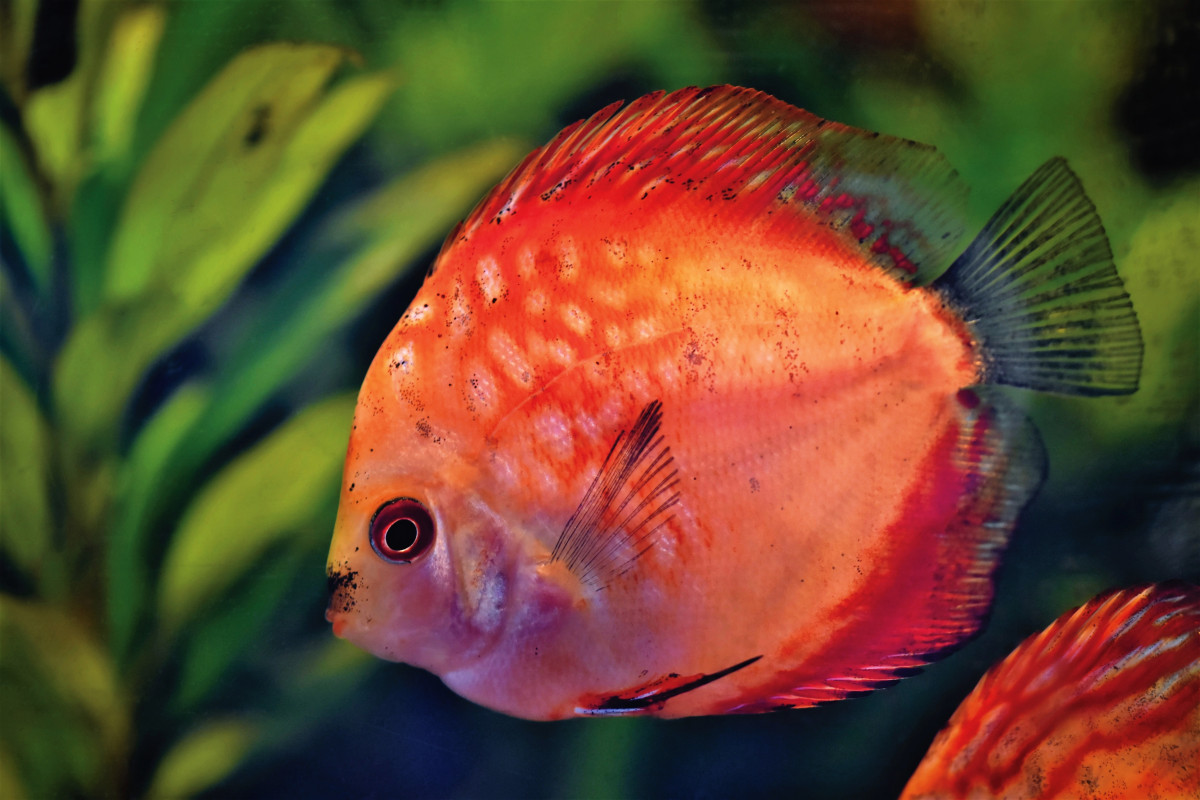
Brine shrimp can grow to twenty millimeters long and are a very good food source for adult fishes. Brine shrimps are ideal fry food because of their nutritional value. They can survive up to five hours in fresh water, and eggs can withstand many years in storage as long as they’re stored away from moisture
Best Ways To Keep Brine Shrimp For Fish Food Read More »
Psuedotropheus demasoni Psuedotropheus demasoni adult pictured. Males, females, and juveniles are colored identically making it somewhat difficult to sex them. Common Names: Location collected from: Pombo Rocks Approximate Size: Just over 2 inches is their max size although some can grow larger in an aquarium. Food: Will eat flake, daphnia, brine shrimp, mosquito larvae, and
Might Be Too Aggressive To Be A Tankmate: Psuedotropheus Demasoni Read More »
Heteranthera zosterifolia “Star Grass” Scientific Name: Heteranthera zosterifolia Common Name: Star Grass Approximate Size: 4 – 6 inches in height pH Range: 5 – 7.6 Temperature Range: 76 – 84 Lighting: Does well in moderate or bright light How to keep: Needs to be planted in the substrate. How to propagate: Grows well from cuttings.
Aquarium Plant For Your Fish Tank Decor: How To Grow “Star Grass” Read More »
Astatotilapia calliptera Description: Males are olive green with a red blaze on the face. Females keep their juvenile coloration of pale brown color. Common Names: None. This fish is often confused as a cichlid from Lake Victoria due to its strong resemblance to the Lake Victoria species. Locations Collected From: Wide distribution in the lake
Friendly Enough To Be A Tankmate! How To Breed Astatotilapia Calliptera Read More »
Scientific name(s): Telmatherina ladigesi Max size: 6.5 cm Temperament: Peaceful schooling fish Suggested for: Community tanks with small to medium sized community fish, planted tanks. Temperature: 24 to 28°C Origin: Asia Comments: These are active schooling fish, happiest in a tank with some open room for swimming and some planted areas. They are sensitive to
Celebes Rainbowfish Guide Read More »
Hygrophila difformis “Wisteria” Scientific Name: Hygrophila difformis Common Name: Wisteria Approximate Size: 12 – 18 inches in height. pH Range: 5 – 7.6 Temperature Range: 76 – 84 Lighting: Does well in moderate or bright light How to keep: Does well planted in the substrate or can be left to float on the surface. How to
Planning To Get Aquarium Plants? Basic Info About Hygrophila Difformis “Wisteria” Read More »
Labidochromis caeruleus Labidochromis caeruleus photos “Electric Yellow” pictured. Common Names: Electric Yellow, Lion’s Cove, Lemon Yellow, Electric White. Locations Collected From: Yellow Labidochromis Caeruleus are collected just south of Lion’s Cove and the white varieties are collected from a wide area in the lake. Approximate Size: 4 inches with females smaller. Food: Won’t hesitate to
Electric Yellow? What A Fancy Name! Fish Profile About Labidochromis Caeruleus Read More »
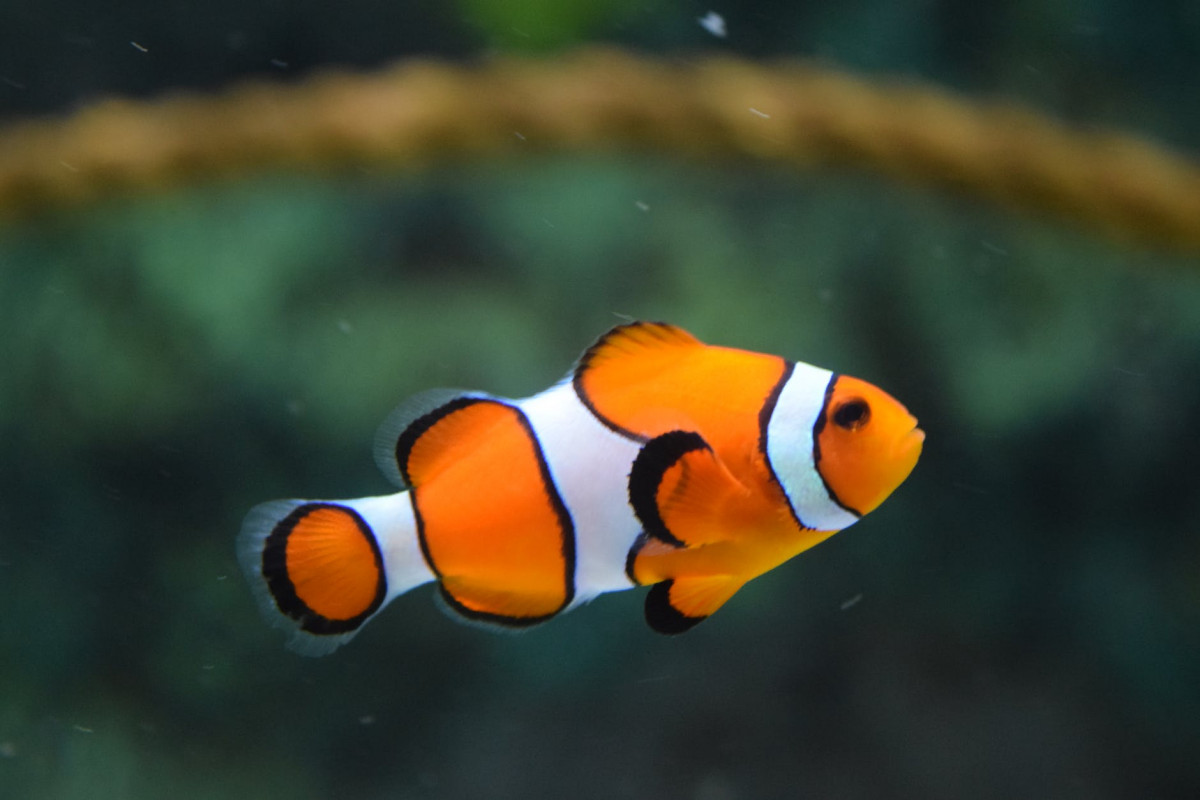
There used to be a time when an aquarium was a geeky thing to have – long gone are those days. From just showing off to, a real living piece of art these aquariums are NOT your standard pet store fixture. Search the internet nowadays for custom aquariums and you will find there are thousands
Forget About Bentley’s – Aquariums Are The New Status Symbols Read More »