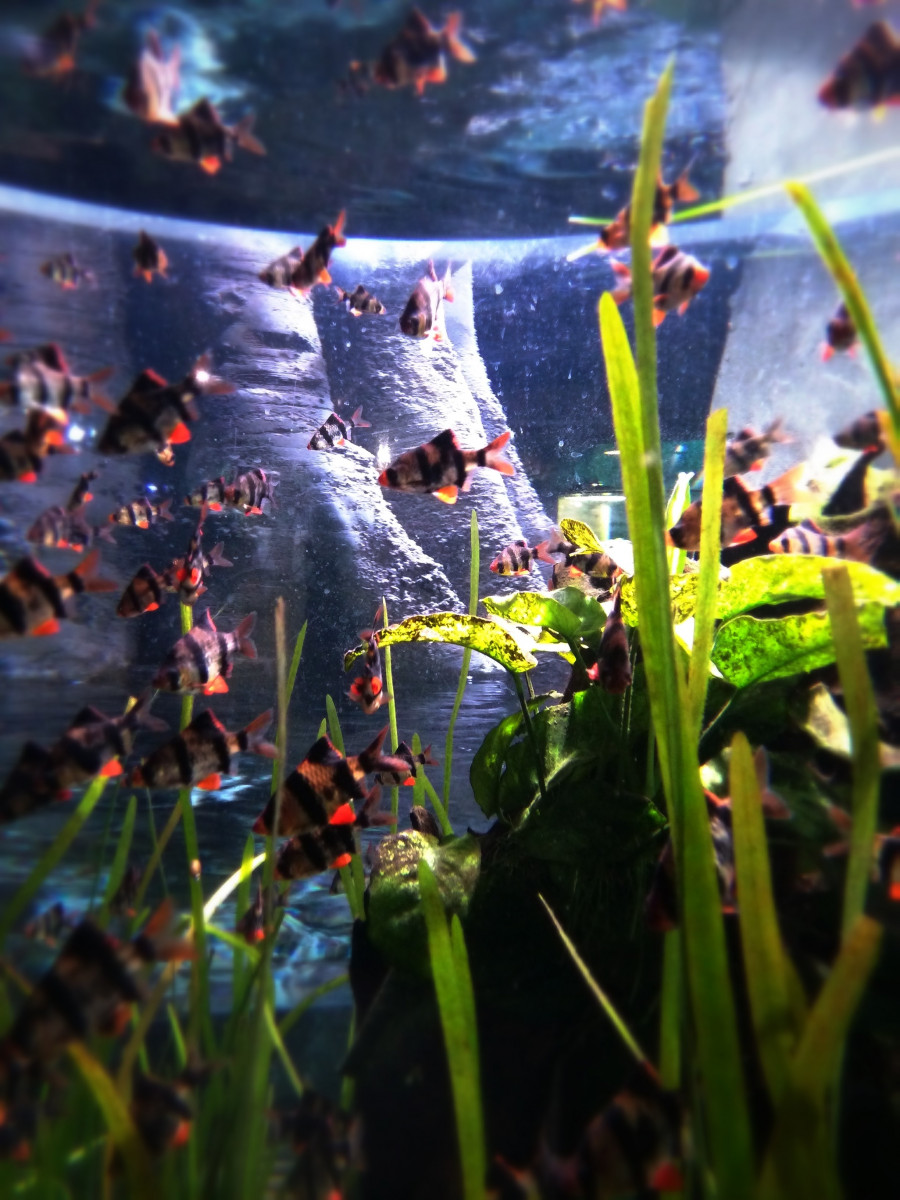
Hyphessobrycon Serpae “Serpae Tetra” Photos
Hyphessobrycon serpae “Serpae tetra” photos
Hyphessobrycon Serpae “Serpae Tetra” Photos Read More »
Hyphessobrycon serpae “Serpae tetra” photos
Hyphessobrycon Serpae “Serpae Tetra” Photos Read More »
Echinodorus osiris “Melon Sword” Scientific Name: Echinodorus osiris Common Name: Melon Sword Approximate Size: Grows to about 8 inches in height. pH Range: 5 – 7.6 Temperature Range: 76 – 84 Lighting: Does well in moderate or bright light How to keep: Needs to be planted in the substrate. Does better when fertilizers are used
Aquarium Plant: Grow Echinodorus osiris “Melon Sword” In Your Fish Tank Read More »
Starting your own aquarium planting can be quite daunting. So why not create your own underwater colorful ecosystem with the aquascaping checklist! Aquariumscaping is all about creating the most vibrant planted aquaworld in within the confines of your tank, with plants and greenery as the primary focus and fishes and other water creatures as accentuation.
Neolamprologus sexfasciatus Neolamprologus sexfasciatus “Gold” pictured. Common Name: Location collected from: Lake-wide distribution. Each location has a different coloration ranging from an all gold coloration to an all blue coloration. Approximate Size: 6 – 6.5 inches Food: Not a picky eater. Will eat flake, brine shrimp, daphnia, mosquito larvae, and pellet food. Will also eat
Fish Expedia For You: All About Neolamprologus Sexfasciatus Read More »
Scientific name(s): Hypseleotris compressa Max size: 12 cm Temperament: Peaceful fish Suggested for: Community tanks with small (not tiny) to large-sized community fish, planted tanks. Water quality: neutral to alkaline pH, moderate hardness. Temperature: 22 to 30°C Origin: Coastal waterways throughout the Northern half of Australia Comments: One of the best known and most readily
Gobies & Gudgeons: Empire Gudgeon Guide Read More »
Julidochromis marlieri Julidochromis marlieri pictured. Julidochromis marlieri female pictured. Common Names: Location names are used. Locations Collected From: Magara, Halembe, Kala, Katili, Samazi, Kambwimba, Isanga, Cape Tembwe, and Katoto. Approximate Size: 4 inches. This is another Tanganyikan species where the female is larger than the male. Food: Will eat just about anything offered. Mine have
Tankmate For Aggressive Species: All About Julidochromis Marlieri Read More »
Pundamilia nyererei Pundamilia nyererei Makobe Island male pictured. Common Names: Locations collected from: Makobe Island, Ruti Island, Python Island, Igombe island, Nyegezi Rocks, Senga Point, Anchor Island, Ndurwa Point (“Black and Orange nyererei”), Zue Island, and Mabibi Island are the (“Red Head nyererei”), Ukerewe Island (Nansio), and Bwiru Island Lake Victoria. Each location has a
Looking For Aggressive Fish? Species Recommendation For You: Pundamilia Nyererei Read More »
Psuedotropheus lombardoi Psuedotropheus lombardoi juvenile pictured. All lombardoi start out with this blue coloration, with the males changing to an orange color. Most females keep this blue coloration. Common Name: Kenyi Locations Collected From: Mbenji Island and Nkhomo Reef. Approximate Size: 4 inches Food: Not picky. They will eat everything including flake, pellet, brine shrimp
Learning Aquatics: Profile Of Psuedotropheus Lombardoi “Kenyi” Read More »
Australian Native freshwater turtles are a popular pet and for good reason. They are hardy and easy to care for, interesting to watch, able to be handled and taken out of the water, and they are full of personality. While there are licence restrictions in most states, in South Australia you don’t need a permit to
Facts You Should Know To Breed Australian Freshwater Turtles FAQ-1 (2023) Read More »
Apistogramma bitaeniata photos
Apistogramma Bitaeniata Photos Read More »